Insights · Existing Buildings
Fire safety audits: what building owners need to know
When an audit is worth doing, what an auditor looks at, and how to turn the findings into a practical, prioritised upgrade plan.

Buildings change. Tenancies are refitted, uses change, systems age and codes move on. A fire safety audit can give owners and managers a structured view of a building's condition against agreed criteria and help identify matters for further assessment.
What a fire safety audit is
AS 4655—2005, Fire safety audits, is withdrawn; its predecessor, AS 4655(INT)—2002, is marked superseded. These documents may provide historical context, but they should not be presented as current requirements. For each building, agree audit criteria using the applicable legislation, approved building documents, maintenance obligations and any relevant authority or insurer requirements.
When to commission one
- Before buying or leasing, as part of due diligence
- Before a refurbishment or change of use, to understand what upgrades may be triggered
- After an incident or an insurer's or authority's inspection
- For portfolio planning, to prioritise capital works across several buildings
- When the original approval is unclear, or documents are missing
What gets assessed
| Area | Typical items |
|---|---|
| Passive protection | Fire-resisting construction, compartmentation, fire doors, penetrations, external walls |
| Active systems | Detection and alarm, sprinklers, hydrants, hose reels, smoke control, emergency lighting |
| Egress | Number, width and location of exits, travel distances, stairs, signage |
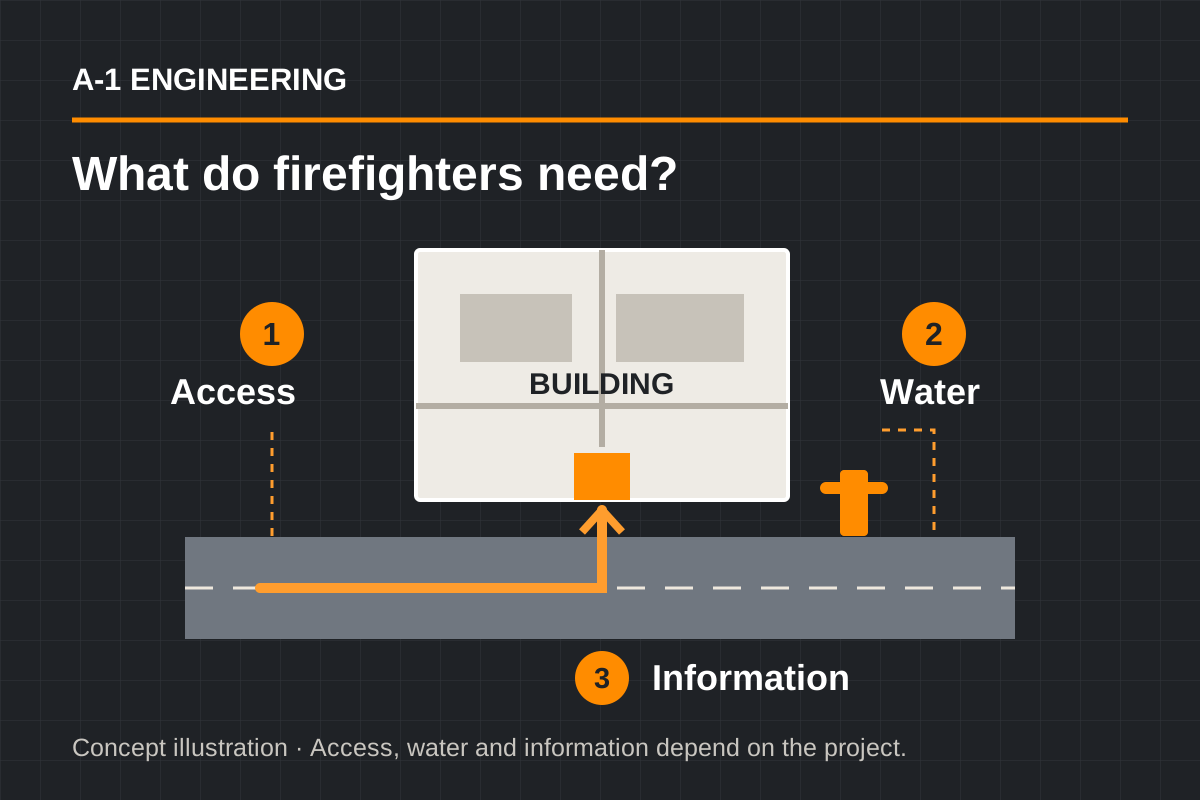
| Fire brigade facilities | Access, boosters, fire indicator panels |
| Management | Maintenance records, evacuation planning, housekeeping, the fire safety strategy |
An audit is only as useful as its recommendations. The aim is a clear plan, not a list of every possible defect.
Turning findings into action
Audit findings can be prioritised to help distinguish urgent life-safety issues from longer-term improvements. If an audit identifies a significant gap, ask the building surveyor and a suitably qualified fire engineer whether a Performance Solution is an option for the specific project. Its suitability depends on the applicable requirements, evidence and approval process; it is not a general substitute for required work.